Seoul is the obvious starting point for a first trip to Korea. It packs palaces, markets, mountain parks, and some of Asia's most energetic nightlife into a city wrapped around the Han River, and its subway makes all of it reachable without a car. Plan three to four days here, more if you want day trips. For a ready-made plan, use the Seoul 3-day itinerary.
What Seoul is known for
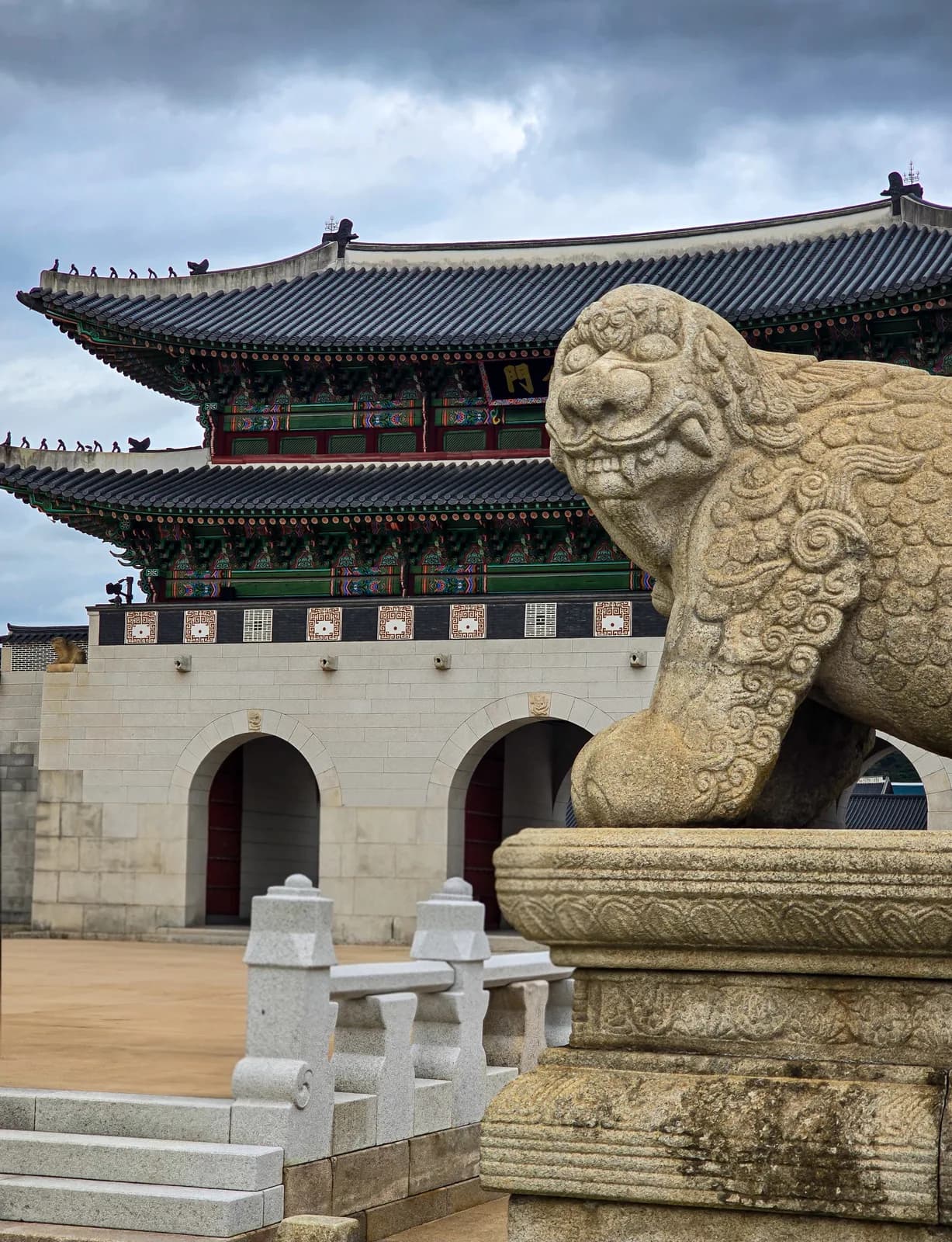
The historic core holds five royal palaces, the hanok rooftops of Bukchon, and the craft lanes of Insadong. South of the river, Gangnam and Seongsu show the modern, design-driven city. In between are markets, mountain trails on Bukhansan, and food from street stalls to fine dining.
How to get there
From Incheon Airport, the Airport Railroad (AREX) runs straight into the city. The all-stop train is cheaper; the express is faster to Seoul Station. From there, transfer to the subway with a T-money card. See the transportation guide for the full picture.
Open in a Korean map app (Google Maps transit is unreliable here):
Best time to visit
Spring (April–May) and autumn (September–November) bring mild weather and the best color. Summer is hot and humid with a monsoon spell; winter is cold but clear and good for markets and palaces.
Food nearby
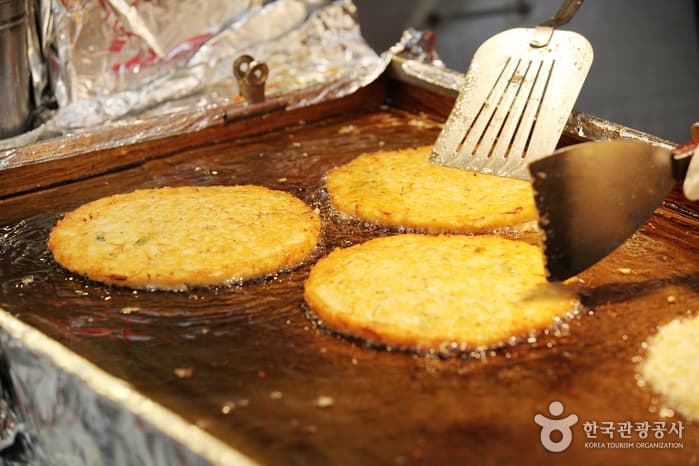
Seoul is a food destination in itself — Korean barbecue, market street food, and late-night fried chicken. Start with the what-to-eat guide and Gwangjang Market.
Suggested stay duration
Three days covers the essentials; four lets you add a day trip to the DMZ, Suwon, or Nami Island. Stay central — Myeongdong, Jongno, or Hongdae — to cut commute time.
Common mistakes
- Booking a hotel far from a subway line to save money, then losing hours commuting.
- Trying to cross the city multiple times a day instead of grouping sights by area.
- Relying on Google Maps for transit; use Naver or Kakao instead.
Sources
- Visit KoreaOfficial tourism site
- Airport Railroad (AREX)Official transport site
- Seoul Metropolitan Government Open DataOfficial government site
- Korea Tourism Organization English TourAPIOfficial API
Information is compiled from official sources. Details such as prices, hours, and schedules can change — confirm time-sensitive facts before you travel.
Last verified on