Loading…
Source-based · Built for foreign visitors
Travel Korea with clear, verified answers
Itineraries, destinations, food, and essentials. Each guide answers one question, backed by official Korean tourism and transport sources.
New to Korea? Start with the First-Time Guide
Prepare before takeoff, first hour after landing, then stay, food, and itineraries.
Latest guides
Browse all →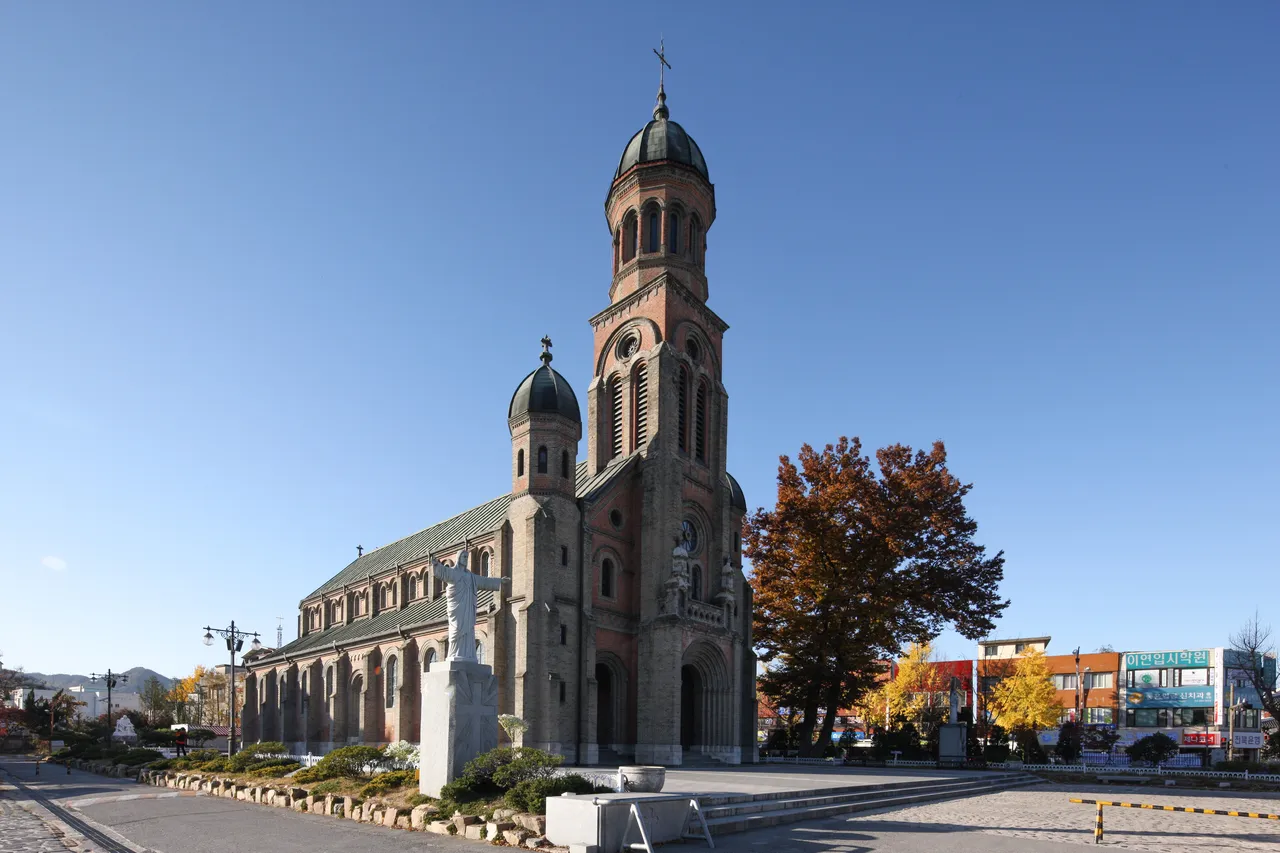
Seoul to Jeonju by Train: Tickets, Stations, and Hanok Village Transfer
The train to Jeonju is straightforward once you know one quirk: most Jeonju trains leave from Seoul's Yongsan Station, not Seoul Station, and Jeonju Station itself is a short ride from the Hanok Village rather than right beside it. Booking, which Seoul station to use, the short station-to-village transfer (closer than Gyeongju's), and the day-trip-versus-overnight decision are all covered below. Fares, times, and bus numbers change, so confirm the official and map-app details before you go.
Jeonju

Korea Travel Passes and Tourist Cards: Which One, If Any, Should You Buy?
Most Korea passes are not the same kind of product, so compare them by type. The KORAIL Pass is for intercity trains, the Seoul Climate Card is for Seoul subways and city buses, and Discover Seoul Pass and Visit Busan Pass are attraction passes. WOWPASS is a prepaid payment card, and T-money is the baseline card most visitors need anyway. Many trips are best served by a T-money card and no pass at all.
Nationwide
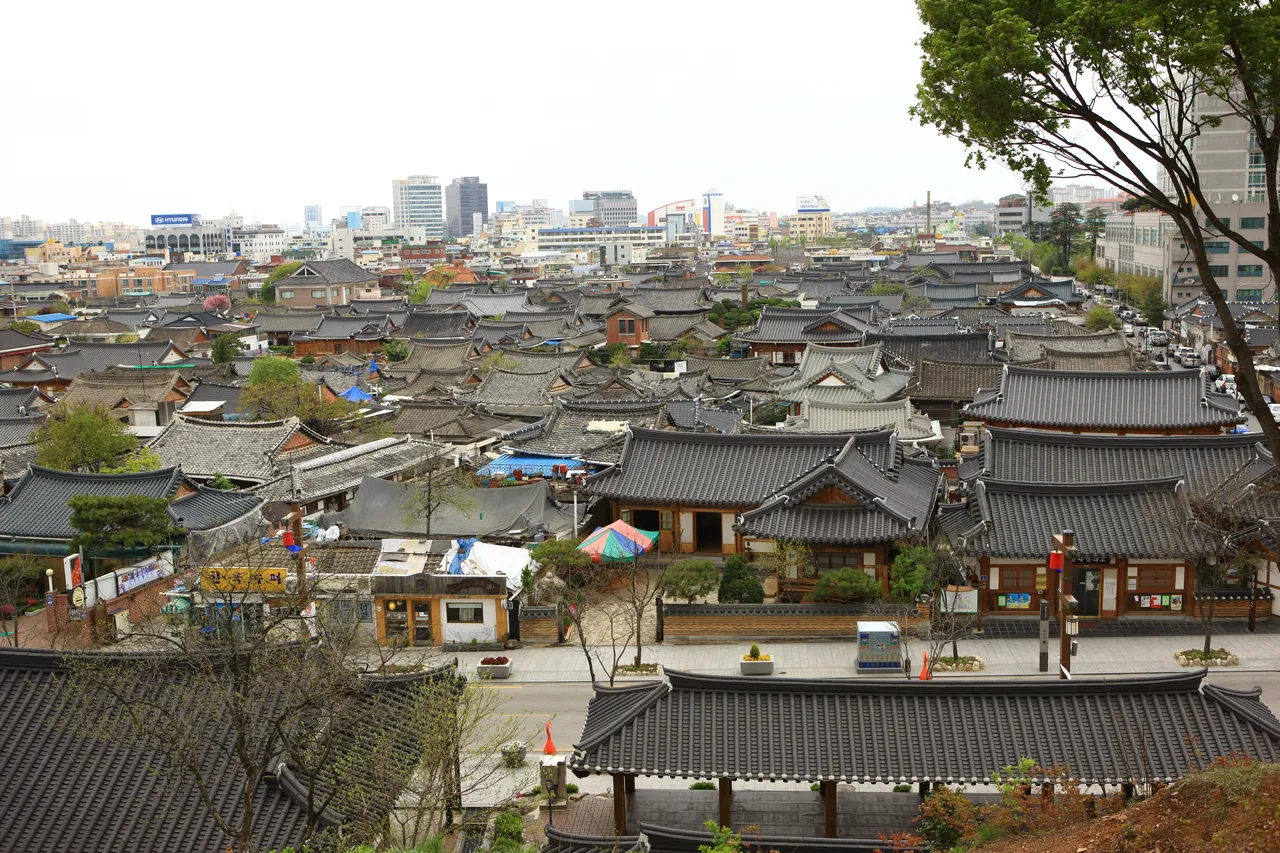
Where to Stay in Jeonju: Best Areas for Hanok Village, Food, Markets, and First-Time Visitors
For most first-time visitors, the best base in Jeonju is in or beside the Hanok Village (Korea's largest, a slow-city of hundreds of traditional houses) where the real reward is the quiet early-morning and late-evening lanes after the day-trip crowds leave. This guide compares the Hanok Village, Nambu Market, the Gaeksa/Gaekridan-gil cafe streets, Jeonju Station, and quieter areas like Deokjin, with an honest look at hanok stays. Prices, market hours, and night-market days change, so check current info before you book.
Jeonju

Suwon Hwaseong Day Trip from Seoul: Fortress, Food & Night Views
Take Line 1 or a Korail train to Suwon Station, then a local bus or taxi to the Hwaseong core, because the station is not at the fortress. The walls are free to enter, while Hwaseong Haenggung has its own ticket and hours. You do not need to walk the full 5.7 km: a highlights route fits half a day, and Haenggung, a galbi meal, and an evening wall walk fill a full one.
SuwonGyeonggi-do
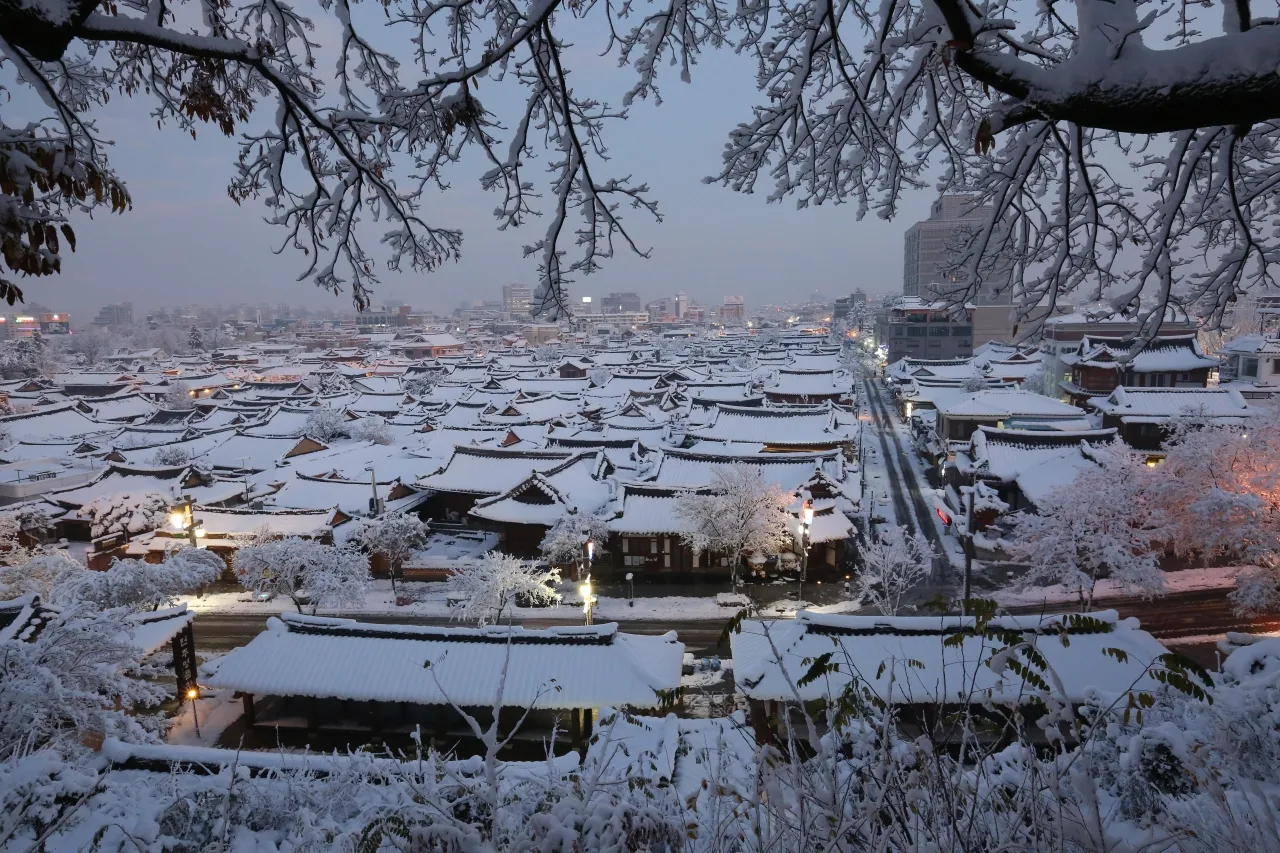
Jeonju Travel Guide: Hanok Village, Bibimbap, Hanbok, and What to Eat
Jeonju is Korea's food-and-hanok city beyond Seoul: a slow, walkable trip built around the country's largest traditional hanok village, signature bibimbap, hanbok photos, and traditional markets. It works as a relaxed day trip or an easy one-night stay from Seoul.
JeonjuJeollabuk-do
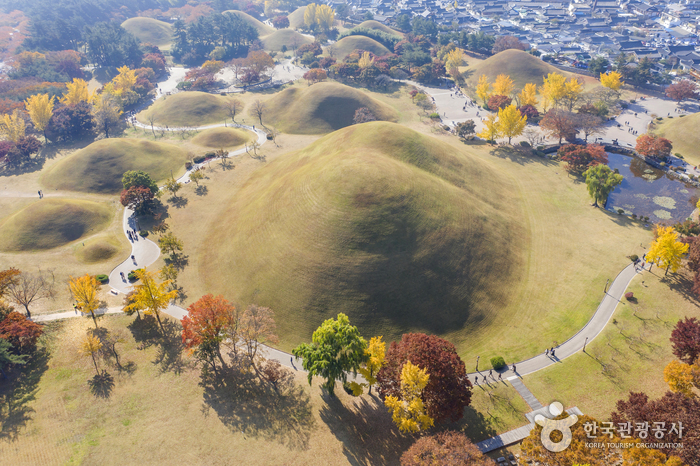
Gyeongju Travel Guide for First-Time Visitors
Gyeongju is Korea's open-air museum, the thousand-year capital of the Silla kingdom, where royal tomb mounds, a UNESCO temple, and an old observatory sit within easy reach. One full day covers the highlights; arrive by KTX to Gyeongju Station, which sits outside the historic center.
Gyeongju
Why trust these guides
Official sources
Built from Korea Tourism Organization, KORAIL, AREX, and government data, cited on every page.
Verified & dated
Each guide shows when its facts were last checked, because prices and schedules change.
For foreign visitors
Korean map links, survival phrases, currency conversion, and country-specific entry notes.